
Jean-Paul Michel, esteemed poet, essayist, and art critic, is the founder of William Blake & Co., a distinguished publishing house that he has successfully directed in Bordeaux since 1976. Born in Corrèze in 1948, he initially published under the pseudonym Jean-Michel Michelena, before establishing a significant body of poetic and critical work characterized by exceptional rigor.
His writings examine the potency of poetry and its intricate relationship with reality, beauty, truth, and lived experience. From the innovative style of his early texts to a renewed focus on verse, his oeuvre persistently investigates new forms, expressions, and methodologies to engage with the complexities of the world.
Through his literary contributions and his role as a publisher, Jean-Paul Michel has cultivated literature as a realm of commitment, autonomy, and dialogue — fostering connections with poets, painters, writers, and readers alike. His works have been notably compiled by respected publishers such as Flammarion and included in the esteemed Poésie/Gallimard collection.
Three video interviews with Jean-Paul Michel, structured around the following questions:
1/ What can the poem do in the face of what Heidegger termed the enframing of the world by technology (Gestell), which today leads to the anthropogenic catastrophe, the destruction of the earth?
2/ Could you elaborate on the connection between technology and poetry?
Is there not a relationship of co-originarity between tekhnê and poïêsis?
3/ During May 68, you stated: “The poem and the revolution are the same thing.”
What is your view today on the relationship between poetry and revolution?
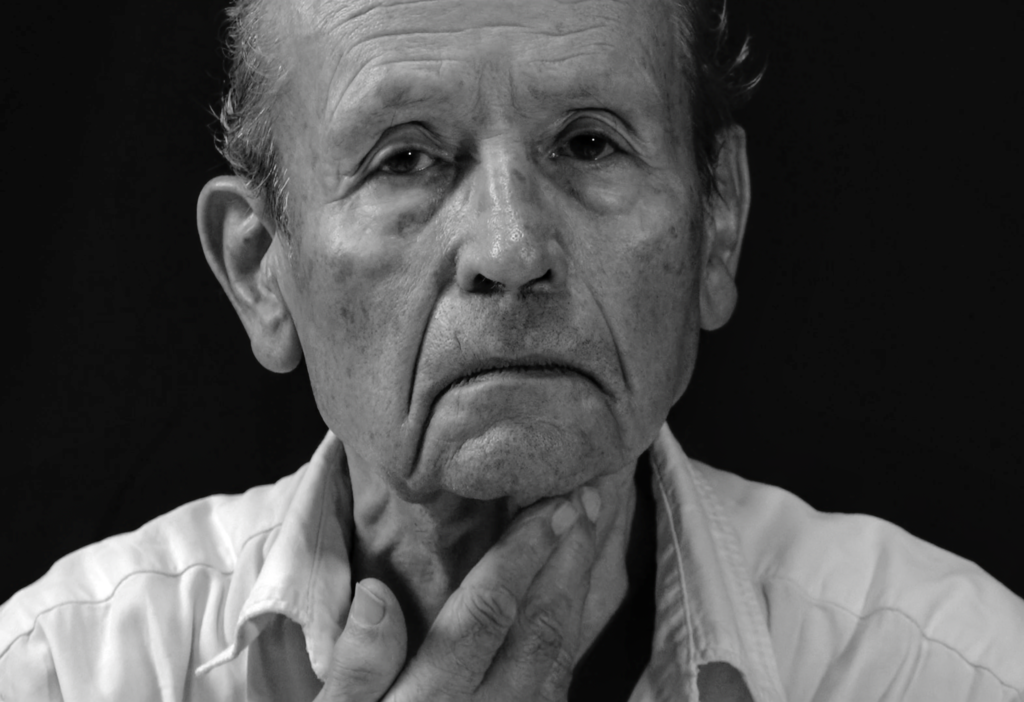
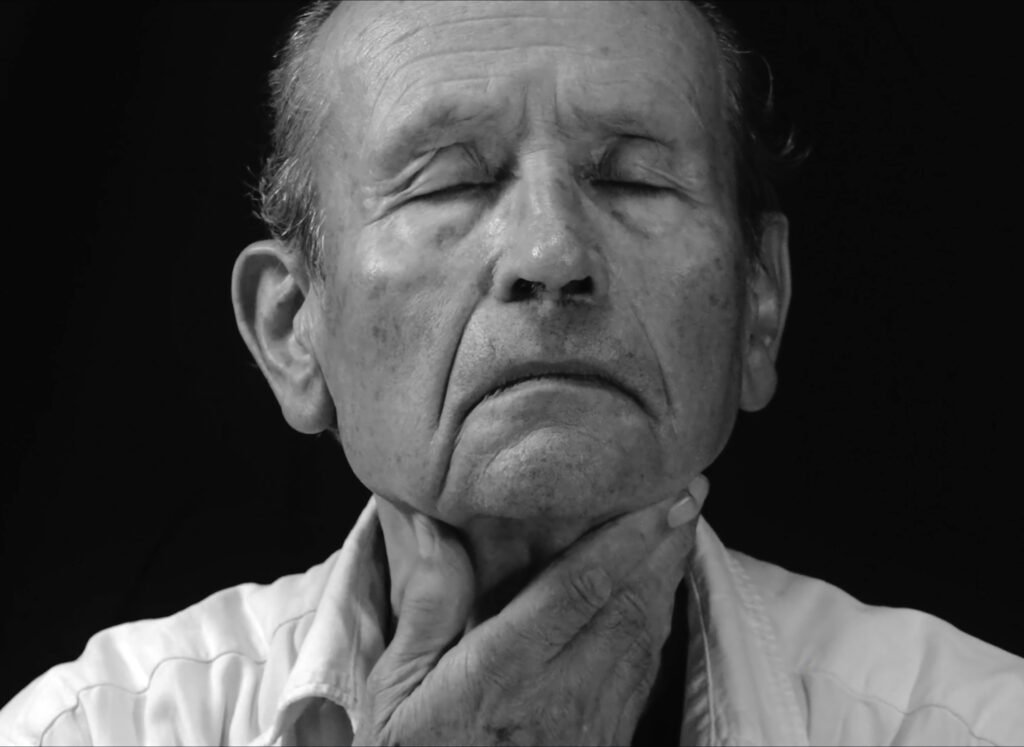
I capture his expression as gently as possible, as though I were holding it within my palms.
I address him with assurance.
There are no great poets, no extraordinary authors, no exceptional essayists, no videographers or filmmakers. There are simply two individuals, one sharing the raw essence of his gaze and the other offering his undivided attention.
The camera rolls quietly, its eye consumes.
I do not know Jean-Paul MICHEL, apart from having read him with surprise and admiration.
He embodies what he writes; he is resolute, forward-thinking, intense, and radiates intelligence.
In everyday life, he speaks abundantly. A commanding language. He is lively, engaged, meticulous. He is in a rush. You can feel he firmly rejects the softness and tedium of ordinary conversations.
He sets high standards for himself and those around him.
He moves through the city, somewhat lost, like a foreigner amidst the chaos and futile frenzy that seems to affect everyone. He stands steadfastly where it’s difficult to do so, in the place of utmost expectation and keen clarity.
This is what I sense in his gaze, which, facing the camera, does not look away but rather emerges and confronts, from the shadows and the dark, from long hours of struggle, from tireless study, from books, from poetry, from that profound tune that haunts him and now constrains his throat.
I film a person whom I do not know, yet he presents his face to the dark depths of the lens. A gift made with strength, pride, tenderness, resolve, and that profound despair that allows one to approach the blazing intensity of life.
He is passionate.
This man emphatically rejects resignation, dismisses the accursed existence, embraces violent beauty, accepts the outstretched hand, cherishes friendship, nurtures the inner fire, and stands against today’s nihilism and grim predictions.
I see him, illuminated by the projector’s light, amidst a vast table cluttered with countless books, documents, letters, and files that demand attention, here, in this Bordeaux warehouse of William Blake & Co. where he often toils. The desk appears blanketed in a uniform white, a sea of paper where the poet has undoubtedly embarked and sailed towards the distant.
This ocean, or rather, this mountain of paper brings to mind an often-recounted anecdote about Frison-Roche, aptly titled.
As a young mountaineer, he finds himself trapped beneath an obstacle that seems impossible to overcome. He perseveres. His energy fades. He hears from a distance in the valley, the church bell, the bells of a flock, while the world continues, indifferent to his ordeal. He gathers his last remnants of strength and ultimately perseveres.
Here lies the endeavor of a man striving to stand resolute.
Jean-Paul MICHEL has crossed the threshold; he is a man who stands. He understands there is no return for him.
He stands atop the summits, at the very edge of himself.
Heddy MAALEM